
Rafael Mar
Filter
View
I PRÓLOGO (theme)
I PRÓLOGO (theme)
Suíte's "intro" and first part of a "diptic" comprising the next piece, to which it serves a theme.
II ZENITH (Variations)
II ZENITH (Variations)
Variations over the previous theme. Has a strong influence of Manouche Music Culture, particularly the slow form, tempoless, wich are derived from oriental music forms.

III QUILOMBO - Agreste
III QUILOMBO - Agreste
Triptic form, with a central portion surrounded by an "intro" and an "outro". This piece is inspired on my teenage years, spent at a beach named "Quilombo" - after the escaped slave's community place there.

IV QUILOMBO -Quebra Coco
IV QUILOMBO -Quebra Coco
Based on a "Coco" form, and ancient brazilian music style of african origins. The rythmic pattern sounds "broken" on purpose, not respecting the strict 2/4, very caribean rumba like, in order to fit the inspiration to the song's tittle.
VII SEHENSUCHT - Spiegelraum
VII SEHENSUCHT - Spiegelraum
"Sehensucht" is a Sonata form preceeded by two preludes. Spiegelnraum is the first prelude, and refers to a "hall of mirrors" where each chord is a "deformation" of one's own same self image.
VIII SEHENSUCHT - Spiegelungen
VIII SEHENSUCHT - Spiegelungen
Second prelude, after the "last mirror" (previous piece) swallows the observer, he finds himself on a flight over a landscape which ends up being his innerself, where he ends up landing at the end, into a devastated village.
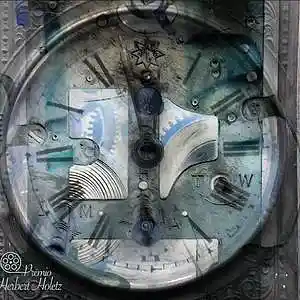
IX SEHENSUCHT - Aria
IX SEHENSUCHT - Aria
"Ária" is a slow crawling, such as Dante's Hell, watching other people's destiny, just here it is one watching his owns.
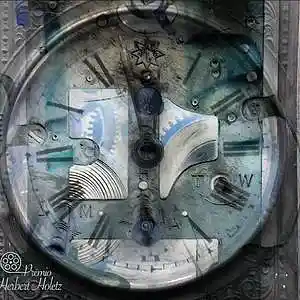
X SEHENSUCHT - Llanto
X SEHENSUCHT - Llanto
The realization of "what happened" To oneself. Deep sensation of a helpless tragic event.
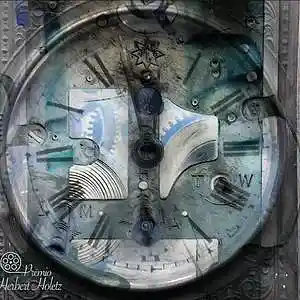
XI SEHENSUCHT - Despertar
XI SEHENSUCHT - Despertar
A short "calm" after a storm as a regain of hope, but quickly upset by a return to a reality which end up coming to an acceptance of a monstruous version of oneself - the same first chord of the piece, but now "deformed" by the lived experiences.

XII SILENCE! - Epilogo
XII SILENCE! - Epilogo
Written in a strict flamenco music form known as "Silencio", it speaks about the large "silence" - over 10 years I didn't compose anything, until this small fragment was born.
