
R.J. Official
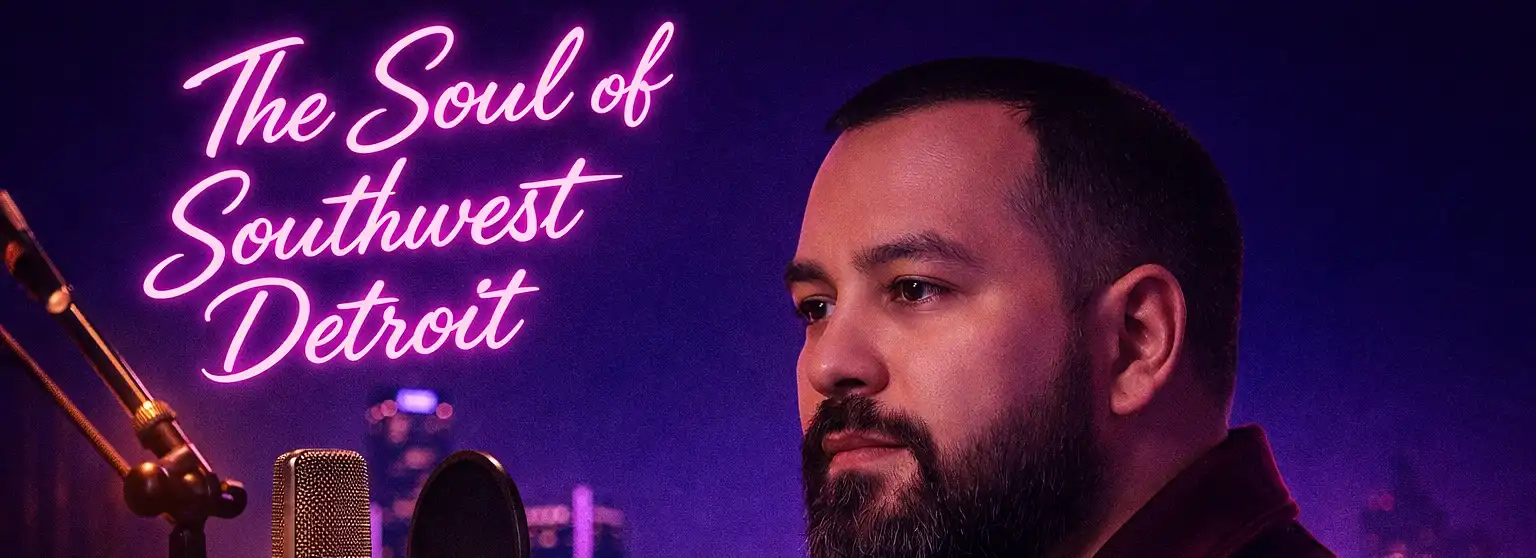
R.J. Official
R.J. is a soulful R&B artist whose music is rooted in authenticity, lived experience, and emotional depth. Blending smooth melodies with honest storytelling, R.J. creates music that speaks to love, loss, healing, and growth without gimmicks or shortcuts. His sound bridges classic R&B feeling with modern production, delivering records that resonate just as deeply in headphones as they do in real life moments.
Raised around strong influences from hip-hop, soul, gospel, and street narratives, R.J.’s artistry reflects a life shaped by adversity, reflection, and redemption. His music doesn’t chase trends, it captures truth. Whether exploring romantic vulnerability, personal struggle, or spiritual grounding, R.J. approaches every song with intention and heart.
As both a writer and vocalist, R.J. brings raw emotion to every performance, allowing listeners to hear not just the lyrics, but the story behind them. His vocal delivery is smooth yet commanding, capable of tenderness and intensity in equal measure. This balance gives his music a timeless quality songs that feel personal, relatable, and enduring.
More than just an artist, R.J. represents evolution. His journey is about growth, discipline, and purpose using music as both expression and testimony. With each release, R.J. continues to carve out a lane defined by substance, sincerity, and soul.
R.J. isn’t here to be heard for a moment he’s here to be felt.
Band/artist history
I didn’t get here fast, and I didn’t get here by accident.
My history is about development more than discovery. There was never a moment where everything suddenly “clicked". What happened instead was a long process of learning who I was, what I carried, and how to translate real life into music without pretending to be something I wasn’t. I didn’t come into this chasing attention, I came into it trying to make sense of what I’d lived.
Music was always around me, but it wasn’t always the goal. Early on, it was more of a refuge than a plan. It was where emotions went when there wasn’t space for them anywhere else. I learned early how to observe people how they spoke when they were guarded, how their tone changed when they were honest, how silence sometimes said more than words. That observation shaped the way I write and the way I sing. I don’t overdo things because real life doesn’t overdo things. It just hits you and expects you to respond.
I took my time finding my voice because I didn’t want to borrow one. I watched a lot of artists rush into sound before they understood themselves, and I knew I didn’t want that. So I stayed quiet longer than most. I wrote. I listened. I lived. I learned what heartbreak actually felt like, what commitment cost, what growth demanded, and what faith looked like when it wasn’t easy or convenient. All of that mattered more to me than being seen early.
When I finally started taking music seriously, it wasn’t about proving anything. It was about alignment. I wanted my voice to match my life. I wanted the words to sound like truth, not performance. That meant discipline rewriting songs, throwing some away, learning restraint, understanding that saying less can sometimes say more. I focused on emotion, not hype. Feeling, not flash.
I didn’t climb by shortcuts. I built. I learned the craft. I paid attention to structure, tone, and intention. I learned when to hold back and when to lean in. I learned that authenticity isn’t loud it’s consistent. And over time, people started responding not because the music was flashy, but because it was honest. They heard themselves in it.
Where I am now is the result of patience, reflection, and refusing to rush purpose. I didn’t become R.J. overnight. I became him by living, by failing, by growing, and by deciding that if I was going to be heard, it would be for something real. I’m still evolving, but I’m grounded in who I am. And that’s how I got here step by step, truth by truth, song by song.
Have you performed in front of an audience?
Yes! I’ve performed live in front of an audience, and those moments stay with you in a way studio work never quite can.
What stands out most isn’t the size of the crowd or the setting it’s the connection. The first time I really felt that connection, I realized live performance isn’t about perfection; it’s about presence. You can feel when people aren’t just hearing the music but recognizing themselves in it. There’s a shift in the room when that happens when voices quiet down, when someone nods instead of cheering, when the energy turns reflective. That’s when you know the song landed.
One of the most meaningful memories for me was performing a song that came from a very personal place and seeing the audience respond emotionally, people closing their eyes, singing parts back, or just standing still and listening. Those moments remind me why I do this. It’s not about applause; it’s about resonance. Live shows strip everything down to truth. There’s no hiding behind production or edits.... just you, the music, and the people in front of you.
Every performance reinforces the same lesson: when you’re honest on stage, people meet you there. And those moments quiet, real, unforced are the ones I carry with me long after the lights go down.
Your musical influences
My R&B influences come from artists who understood emotion, discipline, and truth, not just vocals.
Tyrese influenced me with his raw vulnerability. He never hid behind polishhis records felt like conversations, like someone telling the truth even when it wasn’t comfortable. That level of emotional honesty showed me that strength and sensitivity can coexist in R&B.
Jon B. taught me smoothness with intention. His music was clean, confident, and timeless. He showed me that you don’t have to over-sing or over-produce to be effectivesometimes the calmest delivery carries the most weight.
Tank represents vocal authority and emotional depth. His ability to balance power with control, passion with precision, really shaped how I think about vocal performance. Tank’s music showed me that technique mattersbut only when it serves the feeling.
Luther Vandross is the blueprint. His phrasing, his restraint, his ability to make love songs feel sacredthat’s mastery. Luther showed me that R&B isn’t about showing off your voice; it’s about guiding the listener through emotion with care and class.
And The Isley Brothers taught me longevity and range. They proved that you can evolve without losing your identity, that soul can adapt across generations while staying rooted. Their storytelling, groove, and emotional versatility still influence how I think about catalog and legacy.
Together, these artists shaped my understanding of what R&B is supposed to do: connect, endure, and tell the truth without rushing it. My sound is a reflection of that lineage--smooth, intentional, emotionally grounded, and built to last.
What equipment do you use?
I keep my setup clean, reliable, and purpose-driven. I’m not chasing the most expensive gear; I use what captures emotion accurately and lets me work consistently.
For vocals, I focus on microphones that translate warmth and detail without coloring the truth of the performance. I prefer large-diaphragm condenser mics that handle dynamics well, because my delivery relies on control and nuance. I want the mic to catch breath, tone, and subtle inflection--not just volume.
My signal chain is simple and intentional. A solid preamp with clean gain, light compression on the way in, and no overprocessing. I’d rather record a natural vocal and shape it later than lock myself into something artificial too early. Clarity matters more than hype.
On the production side, I work primarily in a professional digital audio workstation, using industry-standard plugins for EQ, compression, and spatial effects. I gravitate toward tools that emulate classic analog warmth while keeping modern precision. I don’t overload sessions--every sound has a job.
For monitoring, I rely on accurate studio headphones and reference monitors that tell the truth, not what feels good. If a mix sounds right on honest speakers, it’ll translate anywhere. I also check my music in real-world environment--scars, earbuds, small speakers because that’s where people actually live with the music.
Overall, my equipment supports one goal: capturing real emotion without distraction. Gear should disappear once the record button is on. If the listener feels something, then the setup did its job.
Anything else?
What I’d add is this:
Everything I do is rooted in intention and responsibility. I don’t treat music as content or background noise; I treat it as communication. Every record I put out represents a moment of truth in my life, and I take that seriously. I’m not interested in rushing releases or chasing algorithms; I’m interested in building something that lasts and means something to the people who hear it.
I also believe growth should be audible. If you listen closely across my catalog, you’ll hear evolution not just in sound, but in perspective. I don’t pretend to have everything figured out, and I don’t hide the process. Music, for me, is a way to document that journey honestly, without exaggeration or excuses.
Above all, I’m grateful for the people who support me, the ones who challenge me, and the experiences that shaped my voice. I know where I came from, I know what it took to get here, and I know I still have work to do. That humility keeps me grounded and focused.
At the end of the day, I want my music to feel real, present, and necessary--not because it’s loud, but because it’s true.
Admin
Ricky J
@RickyJPhillips